Source Hanging Glass Pet Feeder Bottle for Travel Feeding
Compare 30 hanging glass pet feeder bottle options from verified suppliers. Buyers can evaluate materials, sizes, and customization features for dog feeding and water storage needs to find the best fit for their business; compare the available evidence and request quotations based on your requirements.
Key considerations
Products List


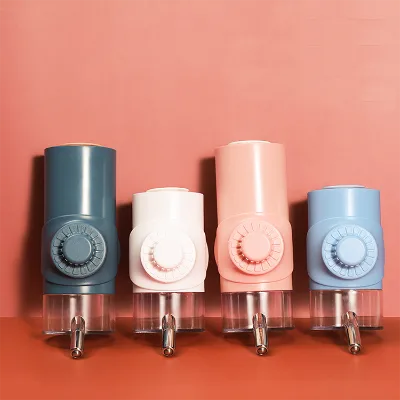


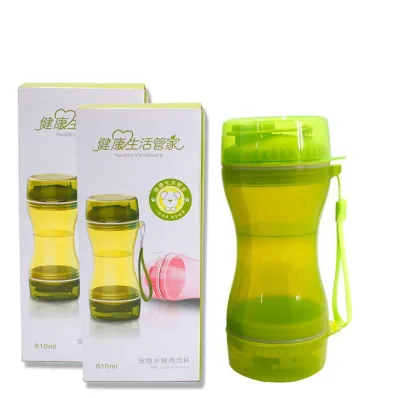


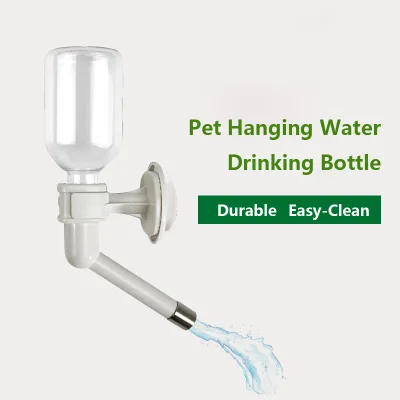


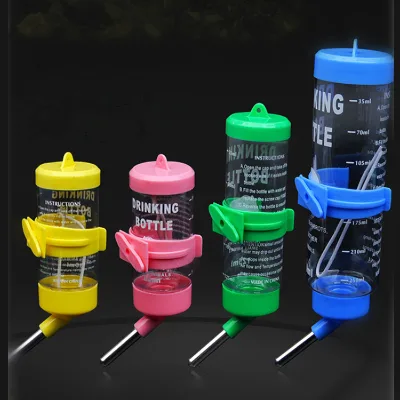
Comprehensive Sourcing Guide
Hanging Glass Pet Feeder Bottle Sourcing Guide
The market for hanging pet feeding solutions often features durable plastic alternatives rather than glass, as observed in the supplied product data where items are explicitly described as PP material or plastic bottles. Buyers seeking a "hanging glass" solution must carefully distinguish between marketing terminology and actual material composition, as the available listings predominantly highlight polypropylene construction for its lightweight and shatter-resistant properties. This distinction is critical because glass feeders present significant safety risks for active pets and may not align with the observed product attributes of recyclability and specific weight ranges like 84g or 160g found in current catalogs.
Procurement strategies should focus on verifying the actual material composition before finalizing orders, as the observed inventory includes various models like HTGC004 and MU25040202 that utilize plastic for safety and portability. While the core keyword suggests glass, the evidence indicates that the functional equivalent in the current supply chain is a robust plastic water bottle designed for feeding and hydration. Sourcing teams must prioritize suppliers who can clearly demonstrate the material safety of their plastic products, ensuring they meet the intended usage for dogs without the fragility associated with glass, which is not reflected in the standard product specifications provided.
Product Scope and Observed Listing Signals
The observed product scope reveals a diverse range of pet hydration tools, including drinking bottles and bowls, with specific models like HTGC013 and YPB10 offering distinct capacities and dimensions. Listings indicate that these products are suitable for dogs and come in various colors such as white, yellow, green, and blue, with weights ranging from 65g to 160g depending on the model. Buyers should note that while some items are labeled as "Pet Water Bottle," others are categorized as "Bowl" or "Plastic Pet Water Bottle," suggesting a need to verify the exact form factor required for the intended hanging installation.
Commercial signals in the listings show that customization is widely available, with OEM and ODM services accepted by multiple suppliers to tailor product names and features. The data highlights that delivery times can vary significantly, with some suppliers offering a 7-day turnaround while others require up to 30 days, necessitating clear communication regarding lead times. Additionally, the observed MOQ ranges from 1 to 5000 units, providing flexibility for both small trial orders and large-scale procurement, though buyers must confirm specific pricing tiers and packaging requirements like carton or poly bag options before committing to volume.
Technical Specifications to Verify
Technical verification must begin with the physical dimensions and capacity, as observed standards vary from compact sizes like 165.5cm to larger configurations such as 285ML capacity units. Buyers should cross-reference the listed product sizes, such as 2112*11cm or 28x7cm, against their specific hanging mechanism requirements to ensure compatibility with existing pet enclosures or travel gear. The weight specifications, ranging from 65g to 160g, are also critical for determining portability, especially for users who require lightweight solutions for outdoor activities or travel with their pets.
Material composition and structural integrity are paramount, with the supplied facts confirming the use of PP (polypropylene) and FDA-certified plastics for food contact safety. Procurement teams must verify that the specific model selected, whether it is the HTGC039 or another variant, meets the necessary durability standards for repeated filling and cleaning. It is essential to confirm that the product features, such as being recyclable and suitable for feeding and water storage, align with the buyer's sustainability goals and functional needs for long-term use in various environments.
Compliance and Safety Documentation
Safety compliance is a primary concern, and the observed data explicitly mentions FDA certification for certain plastic pet water bottles, indicating adherence to food contact safety standards. Buyers must request and validate these certification documents to ensure that the materials used in the bottles do not leach harmful substances into the pet's food or water supply. While ISO certification is also noted in the product attributes, it is crucial to distinguish between general quality management certifications and specific material safety approvals that directly impact pet health.
Documentation should also cover the specific usage claims, such as suitability for feeding and water storage, which must be backed by the manufacturer's testing data. Since the products are designed for dogs, verifying that the design prevents choking hazards and is easy to clean is essential for maintaining hygiene standards. Buyers should ensure that the supplier provides clear instructions on the proper usage of the product, including any limitations regarding temperature or pressure, to prevent accidents and ensure the longevity of the feeder bottle.
Cost Drivers and Commercial Terms
Cost structures are influenced by several factors, including the material type, customization level, and packaging requirements observed in the listings. The availability of OEM and ODM services often adds to the unit cost, as does the selection of specific colors like pink, white, or orange, which may require separate production runs. Buyers should anticipate that customized orders will incur higher per-unit costs compared to standard stock items, and they must factor in the MOQ requirements, which can range from single units to thousands, to optimize their budget.
Commercial terms regarding delivery and payment are equally critical, with lead times varying from 7 days to 30 days depending on the supplier's capacity and order volume. The observed packing methods, such as carton or poly bag with stickers, also impact shipping costs and must be accounted for in the total landed cost calculation. Buyers should negotiate clear terms for shipping, including the export carton size and PCS per carton, to ensure efficient logistics and minimize damage during transit, while also clarifying payment schedules to align with production milestones.
Supplier Qualification and Quality Control
Supplier qualification should focus on verifying their production capabilities and quality control processes, particularly for items requiring specific certifications like FDA or ISO. Buyers must assess whether the supplier has a proven track record of meeting the observed specifications, such as the correct weight, size, and material composition for models like HTGC004 or MU25040202. It is advisable to request samples to physically inspect the product quality, ensuring that the plastic is durable, the colors are vibrant, and the hanging mechanism is secure.
Quality control protocols should include regular inspections during production and pre-shipment checks to verify that the final products match the agreed-upon standards. Buyers should establish clear acceptance criteria for defects, such as color inconsistencies or structural weaknesses, and ensure that the supplier has a robust system for addressing any quality issues that arise. Given the variation in delivery times and packaging methods, maintaining open communication with the supplier is essential to manage expectations and ensure timely delivery of high-quality pet feeding solutions.
Long-Term Procurement Checks
Long-term procurement success depends on establishing a reliable supply chain that can consistently meet the evolving needs of the pet product market. Buyers should monitor the supplier's ability to maintain consistent quality and delivery times, especially as order volumes increase or when new product models are introduced. Regular audits of the supplier's facilities and processes can help identify potential risks and ensure that they continue to adhere to the necessary safety and quality standards over time.
Sustainability and adaptability are also key considerations for long-term partnerships, as the market increasingly demands eco-friendly and customizable products. Buyers should evaluate the supplier's commitment to using recyclable materials and their ability to innovate with new designs that meet changing consumer preferences. By fostering a collaborative relationship with the supplier, buyers can ensure a steady supply of high-quality pet feeding bottles that align with their brand values and customer expectations.
FAQs
What materials are used for pet water bottles?
The pet water bottles are primarily made from PP plastic material. This material ensures durability and safety for daily use. Some models also feature FDA certification to guarantee food-grade safety standards for pets drinking from them.
Can I customize the color of the pet bottle?
Yes, customization is available for the pet water bottles. Buyers can choose from various colors including white, yellow, green, black, red, blue, purple, orange, and gray. Customized options allow for specific branding or aesthetic preferences.
What is the delivery time for these pet bottles?
The standard delivery time for these products is typically seven days. Some specific models may have a lead time within thirty days depending on order volume. This ensures timely supply for your business needs.
Are these pet bottles suitable for dogs?
Yes, these products are explicitly suitable for dogs. They are designed for feeding and drinking water purposes. The design supports both feeding and water storage functions for canine pets effectively.
What certifications do the pet bottles hold?
The pet water bottles hold ISO and FDA certifications. These certifications indicate compliance with international quality and safety standards. Buyers can rely on these verified attributes for product safety and quality assurance.
How are the pet bottles packaged for export?
Packaging options include carton, poly bag, or card plus OPP bag. Some models specify an export carton size of 57 by 31 by 49 cm. The packing method ensures safe transport and protection during shipping.
Do these bottles support OEM and ODM services?
Yes, OEM and ODM services are accepted for these products. Manufacturers offer customization to meet specific client requirements. This flexibility allows buyers to create unique products tailored to their market needs.